
Is Sri Lanka Safe for Tourists in 2026? Your Honest Travel Guide

 https://images.prismic.io/natouris/aXoccgIvOtkhCCUg_Gemini_Generated_Image_h6gng2h6gng2h6gncopy.webp?auto=format,compress&rect=0,112,800,420&w=1200&h=630
So you've been scrolling through Instagram, drooling over those turquoise waters in Mirissa, those ancient temples in Kandy, and those scenic train rides through emerald tea plantations. But then you pause. Is Sri Lanka actually safe right now?
I get it. After everything this island nation has been through from the 2019 attacks to economic turbulence it's natural to wonder if your dream vacation might come with unwanted drama. Here's the thing: Sri Lanka in 2026 is not the same place it was during those challenging times. The country has bounced back, strengthened its security, and is rolling out the welcome mat for tourists like never before.
Let me walk you through everything you need to know about staying safe in Sri Lanka this year, minus the sugarcoating.
The Official Word: What Travel Advisories Actually Say
Before we dive into my take, let's check what the governments are saying.
US State Department: They've got Sri Lanka at Level 2, which means "Exercise Increased Caution." Sounds scary, right? But here's context: Level 2 is the same rating given to France, Germany, and parts of the UK. The concerns? Potential terrorism and civil unrest. Translation: Stay aware, avoid massive crowds during protests, and you'll likely be fine.
UK Foreign Office (FCDO): The Brits advise staying vigilant in crowded public places and keeping tabs on local news. Pretty standard travel advice, honestly. They're not telling people to avoid Sri Lanka just to use common sense.
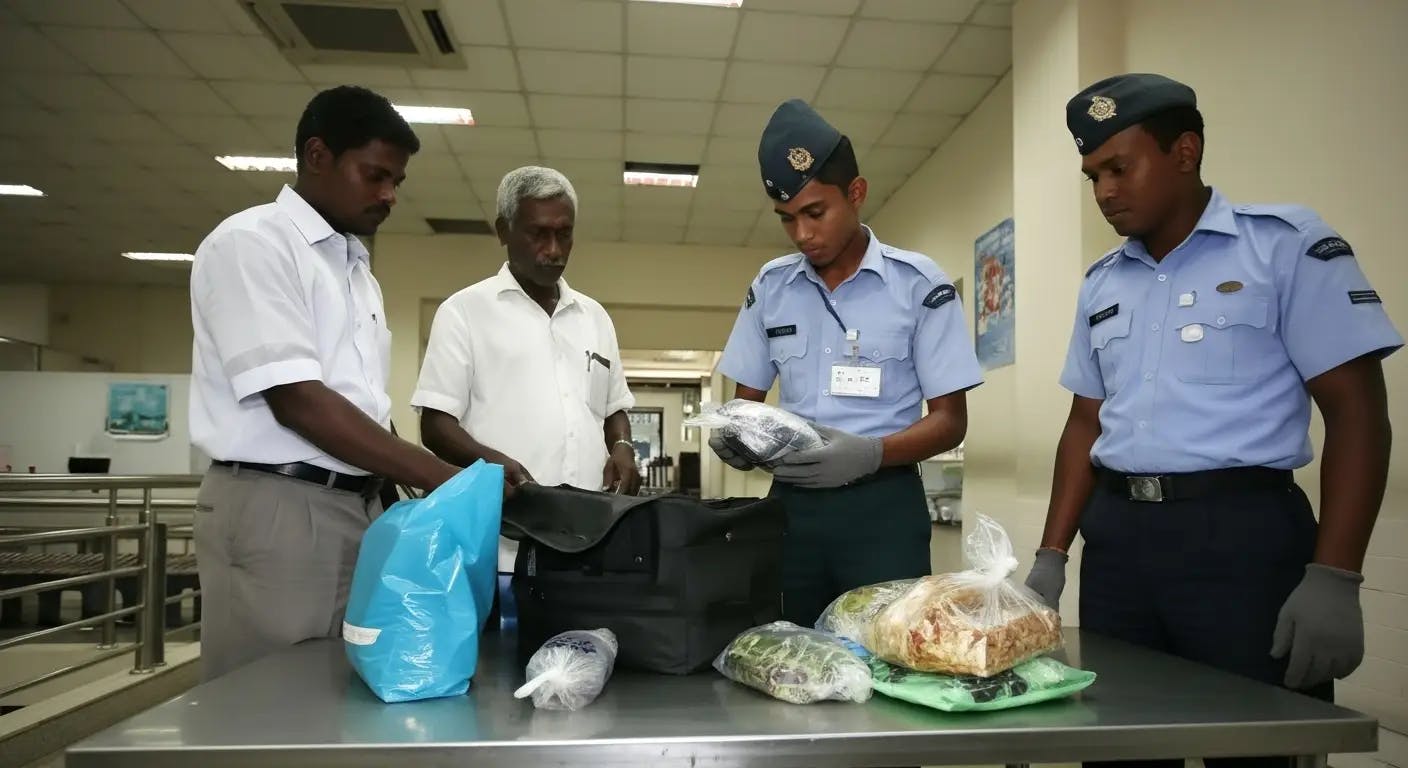
The Reality Check: Both advisories acknowledge that millions of tourists visit Sri Lanka annually without incident. The government has beefed up security at airports, hotels, and major tourist sites. I've seen it firsthand metal detectors, bag checks, visible police presence. It's reassuring, not intimidating.
Solo Female Travelers: Can You Explore Alone?
Ladies, this one's for you. Is Sri Lanka safe for solo female travelers? Short answer: Yes, with caveats.
Sri Lanka ranks among the safer Asian destinations for women traveling solo. Thousands of female backpackers, digital nomads, and adventure seekers explore the island each year without major issues. But let's be real being a woman traveling alone anywhere requires extra awareness.
What Works in Your Favor:
- Sri Lankan culture is generally respectful toward tourists
- Tourist areas have strong security measures
- Fellow travelers and guesthouse owners often look out for each other
- Local women are approachable if you need help
Smart Moves to Make:
- Dress modestly, especially outside beach areas (think covered shoulders and knees)
- Avoid isolated beaches or poorly lit streets after dark
- Use registered taxis or ride-hailing apps instead of random tuk-tuks at night
- Trust your gut if something feels off, it probably is
- Book accommodation with good reviews specifically mentioning solo female safety
I'm not going to pretend catcalling doesn't happen it does, particularly in busy cities like Colombo. But actual harassment or serious crime against female tourists remains uncommon. Stay smart, stay aware, and you'll have an incredible journey.
Family-Friendly Paradise: Traveling With Kids
Planning a family adventure to Sri Lanka? You're making a great choice.
Popular tourist regions are genuinely family-friendly, with high safety standards that'll put your mind at ease. Beach resorts maintain strict security protocols, hotels often have dedicated kids' clubs, and the locals absolutely adore children (prepare for strangers wanting to take photos with your little ones).
Why Families Love Sri Lanka:
- Beaches like Unawatuna and Mirissa offer calm waters perfect for kids
- Wildlife safaris in Yala and Udawalla provide unforgettable experiences
- Ancient sites like Sigiriya Rock captivate young imaginations
- Healthcare in major cities (Colombo, Kandy, Galle) is reliable and modern
Practical Family Safety Tips:
- Pack a comprehensive first-aid kit
- Keep kids hydrated with bottled water only
- Apply mosquito repellent religiously to prevent dengue fever
- Book family-friendly accommodations with pools that have lifeguards
- Consider hiring a private driver for stress-free travel with children
The biggest risk? Your kids will want to move there permanently after experiencing the elephants, beaches, and mango lassis.
The Safest Places to Visit in Sri Lanka
Not all destinations are created equal. Here's where you'll find the perfect blend of beauty and security:
Ella: This mountain town is backpacker heaven safe, scenic, and ridiculously Instagrammable. The vibe is chill, the hiking is spectacular, and the only danger is eating too many kottu rotis.
Galle: The Dutch fort city offers historical charm wrapped in a security blanket. Well-lit streets, tourist police, and a sophisticated crowd make it ideal for cautious travelers.
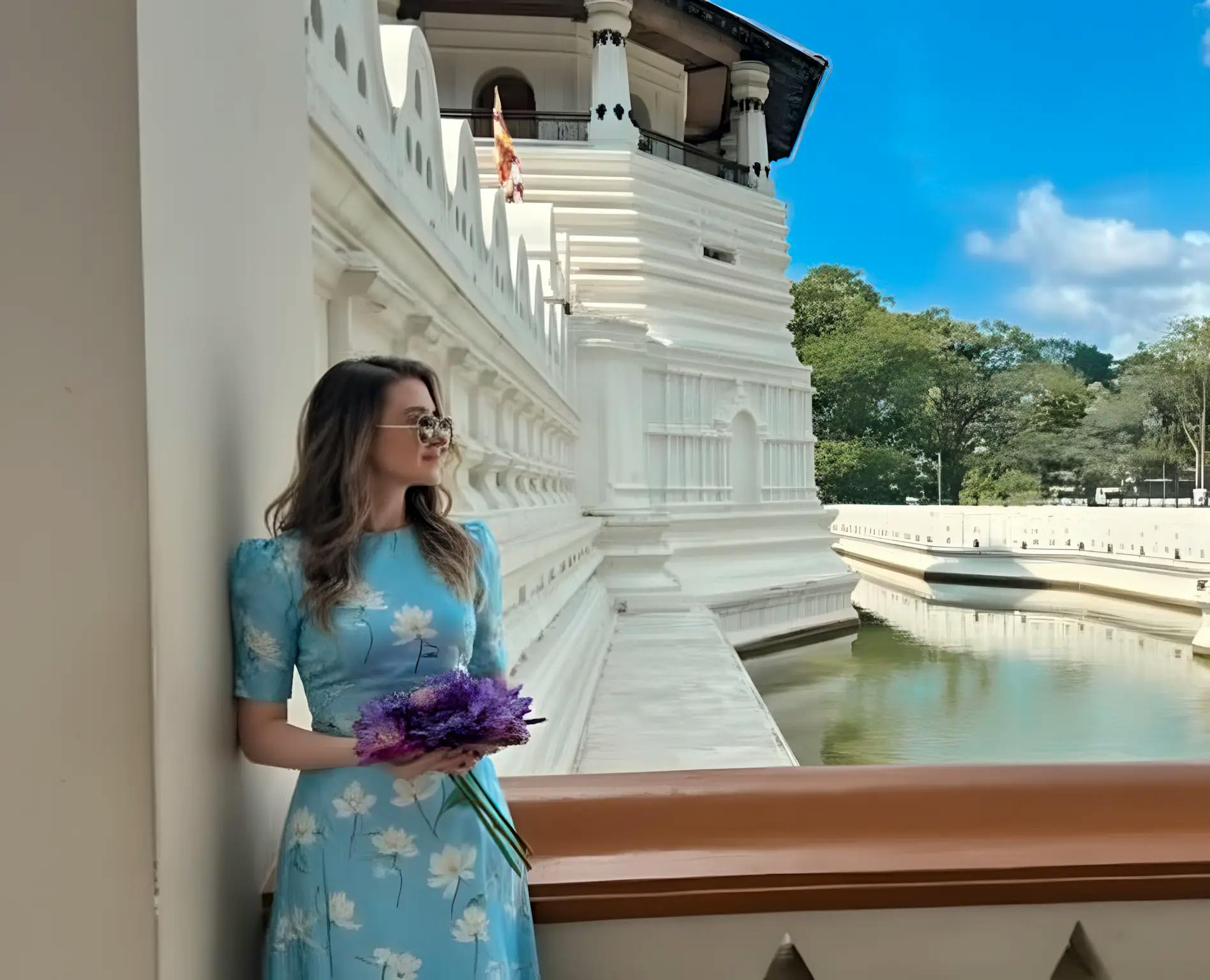
Kandy: The cultural capital balances tradition with modern safety measures. Temple of the Tooth has airport-level security, and the city center is well-patrolled.
Sigiriya: Ancient rock fortress meets modern tourist infrastructure. The area caters specifically to international visitors with secure hotels and guided experiences.
Southern Beaches (Mirissa, Unawatuna, Hikkaduwa): These coastal gems offer the tropical paradise you're craving with the safety net you need. Tourist police patrol beaches, and the communities depend on tourism, so visitors are treated like gold.
Health and Hygiene: Staying Well While Traveling
Let's talk about the less glamorous side of travel safety your stomach and your health.
The Water Situation
Is tap water safe to drink in Sri Lanka? Hard no. Even locals often stick to filtered or bottled water. Your immune system isn't prepared for the local bacteria, and nobody wants to spend their vacation intimate with a bathroom.
Smart Hydration Strategy:
- Buy sealed bottled water from reputable shops
- Avoid ice in drinks unless you're at upscale restaurants
- Use bottled water for brushing teeth
- Skip roadside fresh juices unless you watch them prepare it with safe water
Vaccinations and Health Precautions
Good news: No mandatory vaccinations are required for most travelers entering Sri Lanka. But "not required" doesn't mean "not recommended."
Chat with your doctor about:
- Hepatitis A and B (especially if you're eating street food which you should!)
- Typhoid (because food safety varies)
- Japanese Encephalitis (if you're staying in rural areas long-term)
- Routine vaccines (tetanus, etc.)
The Dengue Situation
Dengue fever is the uninvited guest at Sri Lanka's party. Mosquitoes carrying this virus are active year-round, especially during monsoon seasons.
Your Defense Strategy:
- Wear long sleeves during dawn and dusk (prime mosquito hours)
- Use DEET-based repellent religiously
- Sleep under mosquito nets or in air-conditioned rooms
- Eliminate standing water around your accommodation
I'm not trying to scare you just keep you healthy. Most visitors never encounter health issues beyond mild stomach adjustments.
Beach Safety: Beautiful But Respect the Ocean
Sri Lankan beaches are stunning, but they demand respect. The Indian Ocean doesn't mess around.
Is it safe to swim at Sri Lankan beaches? Yes, with major caveats. Strong currents and riptides are real threats that claim lives every year, including tourists who underestimated the water.
Ocean Survival Guide:
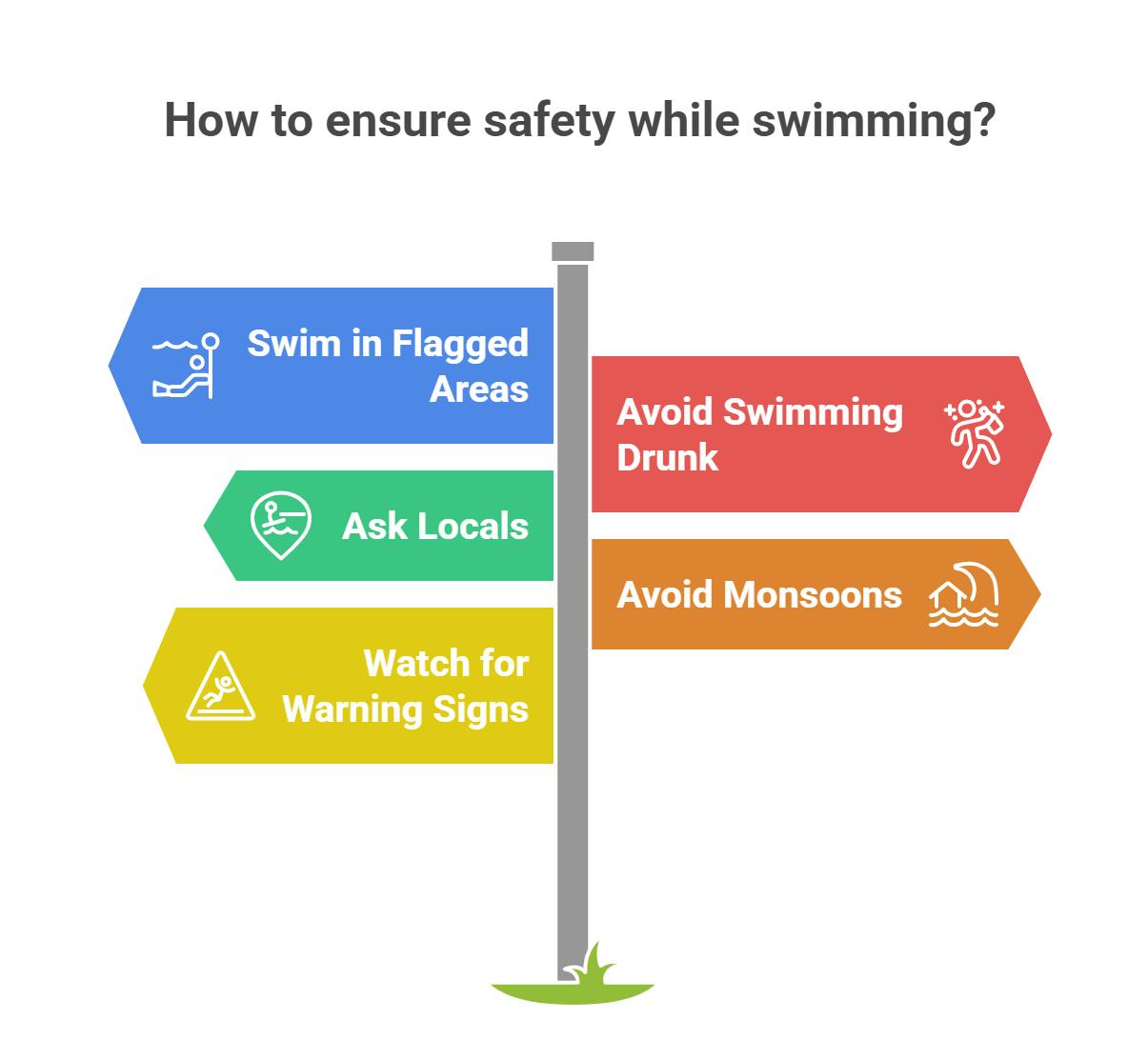
Arugam Bay, while famous for surfing, has particularly strong currents. Unawatuna offers calmer waters for casual swimmers. Always check before diving in.
Crime and Scams: Keeping Your Guard Up
Let's address the question on everyone's mind: Are tourist scams common in Sri Lanka?
Serious crime against tourists remains uncommon. You're far more likely to be ripped off than robbed. Petty theft and tourist-targeted scams do exist, especially in busy areas and tourist hotspots.
Common Scams to Watch For:
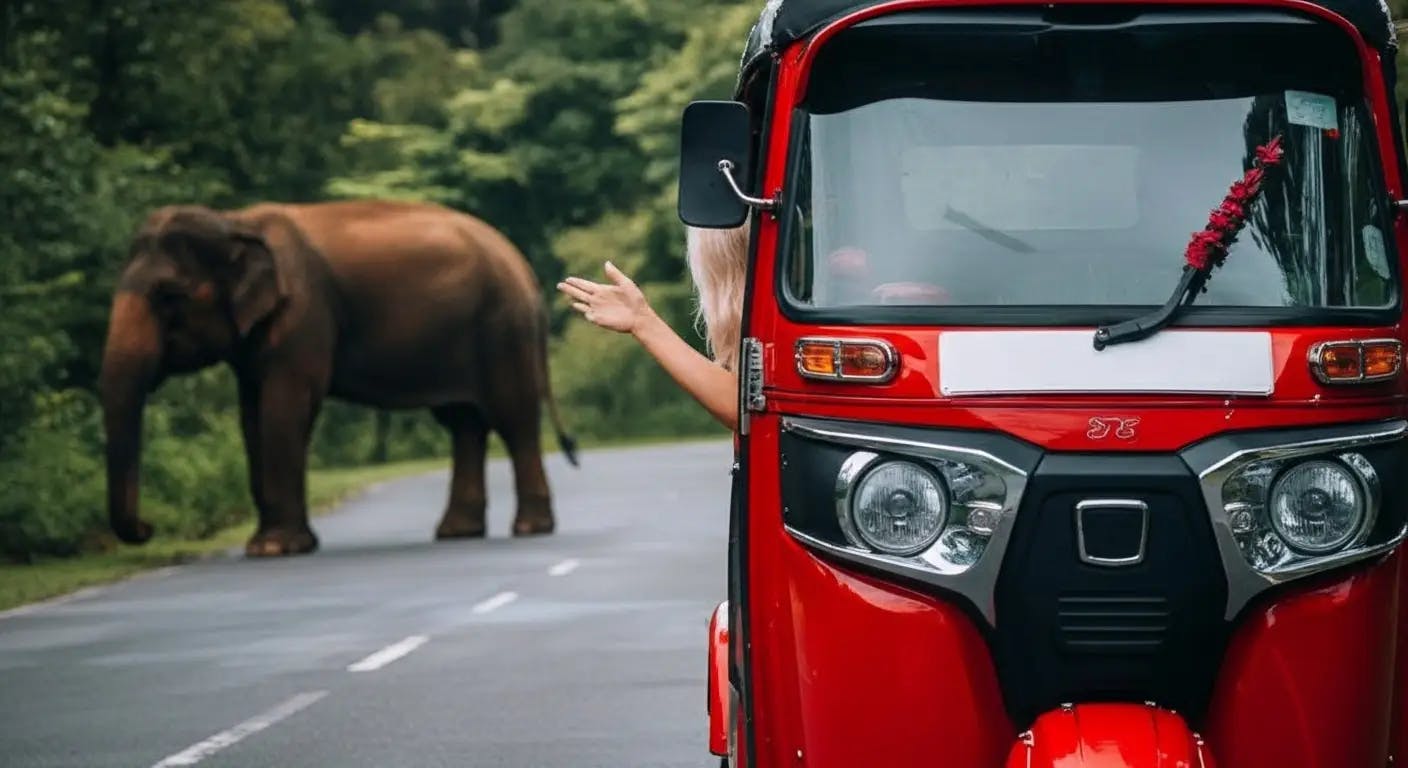
The "Temple Closed" Tuk-Tuk Driver: Your tuk-tuk driver insists the temple you want to visit is closed, but conveniently knows a "better" one which happens to pay him commission. Solution: Google opening hours beforehand and insist on your original destination.
Gem Shop Detours: Drivers take you to gem shops where you'll definitely overpay for "authentic" sapphires. Solution: Refuse shopping detours unless you explicitly requested them.
Overpriced Everything: From tuk-tuk rides to souvenirs, tourists often pay 3-5x the local price. Solution: Agree on prices before getting in vehicles or buying anything. Use ride-hailing apps when possible.
Unsolicited "Guides": Friendly locals offer to show you around for free, then demand payment afterward. Solution: Politely decline unless you've agreed on terms upfront.
Keeping Your Valuables Safe
- Use hotel safes for passports and excess cash
- Carry a dummy wallet with small bills for daily use
- Keep expensive cameras and jewelry low-key
- Use anti-theft backpacks with hidden zippers
- Photograph your passport/important documents and store copies in cloud
Is it safe to travel at night in Sri Lanka? Main streets and tourist centers are generally fine, but avoid poorly lit or isolated areas after dark, especially in Colombo. Stick to well-populated areas, use registered taxis, and save the solo wandering for daylight hours.
Transportation: Getting Around Safely
Train Travel: Scenic But Requires Caution
Sri Lankan trains are legendary especially the Kandy to Ella route, which ranks among the world's most beautiful train journeys. Is public transport safe in Sri Lanka? Trains are safe and scenic, but you need to follow some rules.
Train Safety Tips for 2026:
- Book tickets in advance during peak season
- Keep belongings secure and within sight
- DO NOT sit in open doorways (I know it looks cool for photos, but people die from falls every year)
- Second or third class can be crowded pickpocketing risk increases
- First class offers more security and comfort
Tuk-Tuks: The Quintessential Sri Lankan Experience
Three-wheeled chariots of chaos tuk-tuks are everywhere and honestly part of the fun. Sri Lanka tuk-tuk safety tips for 2026:
- Use registered tuk-tuks with meters or agree on price before starting
- Download PickMe app (Sri Lanka's Uber equivalent) for safer, priced rides
- Wear seatbelts when available (rare but worth checking)
- Avoid overloaded tuk-tuks (if it looks unsafe, it probably is)
- For long distances, consider hiring a tuk-tuk driver for the day with agreed pricing
Renting Motorbikes: Proceed With Extreme Caution
Sri Lankan traffic is aggressive, chaotic, and operates on rules that would terrify most Western drivers. Unless you're genuinely confident with Asian-style traffic patterns, skip the motorbike rental. Seriously. I've seen too many tourists with road rash and broken bones.
If you insist:
- Wear a helmet (duh)
- Have international driving permit
- Check travel insurance covers motorbike accidents
- Start in less busy areas to test your skills
- Accept that local drivers won't follow traffic laws you're used to
Better option: Hire a private driver. It's affordable, stress-free, and you can actually enjoy the scenery instead of avoiding cows in the middle of the road.
Cultural Safety: Respecting Local Customs
Sri Lanka is predominantly Buddhist with Hindu, Muslim, and Christian minorities. Respecting local culture isn't just polite it keeps you safe from potential conflicts.
Sri Lanka temple dress code safety: When visiting religious sites:
- Cover shoulders and knees (men and women)
- Remove shoes and hats before entering
- Don't pose disrespectfully with Buddha statues (turning your back for photos is offensive)
- Women should dress particularly modestly at Hindu temples
- Ask permission before photographing monks or religious ceremonies
Modest dress extends beyond temples. In rural areas and non-tourist zones, conservative clothing helps you blend in and avoid unwanted attention. Beachwear belongs at the beach cover up when heading into towns.
Regional Safety: Where to Go (and Where to Think Twice)
Is Northern Sri Lanka Safe to Visit in 2026?
The north has transformed dramatically since the civil war ended in 2009. Cities like Jaffna are now accessible and fascinating for culturally curious travelers. Infrastructure has improved, and the Tamil culture offers a different perspective on Sri Lanka.
Northern travel considerations:
- Tourism infrastructure is less developed than southern regions
- Fewer international-standard hotels and restaurants
- English spoken less frequently
- Landmine risk in unmarked areas (stick to main roads and populated zones)
- Check current travel advisories before booking
That said, Jaffna's temples, northern beaches, and unique cuisine make it worth considering for adventurous travelers seeking off-the-beaten-path experiences.
East Coast vs. West Coast
East Coast (Arugam Bay, Trincomalee): Best April-September. More laid-back, surfer vibe, fewer crowds. Safety comparable to southern beaches with appropriate precautions.
West/South Coast (Mirissa, Unawatuna, Hikkaduwa): Best November-April. More developed tourism infrastructure, better for first-timers, extensive safety measures in place.
Monsoon Season Travel Safety
Sri Lanka has two monsoon seasons affecting different parts of the island:
- Southwest monsoon (May-September): Affects west and south coasts
- Northeast monsoon (October-January): Affects east and north coasts
Is it safe to travel during monsoons?
Depends on what you mean by "safe." You won't be in physical danger, but:
- Beach swimming becomes genuinely dangerous
- Some roads may flood or become impassable
- Landslides can occur in mountainous regions like Ella
- Wildlife safaris are less productive (animals hide from rain)
The upside: Fewer tourists, lower prices, and lush green landscapes. If you're flexible with activities and prioritize cultural sites over beaches, monsoon travel can be rewarding.
Essential Emergency Information
Sri Lanka emergency contact numbers for tourists:
ServiceNumber
Police Emergency: 119
Ambulance: 110
Fire & Rescue: 110
Save these in your phone before you need them. The Tourist Police are specifically trained to help foreigners and speak English.
Important: Many rural areas have limited mobile coverage. Download offline maps and share your itinerary with someone back home.
Travel Insurance: Non-Negotiable
Sri Lanka travel insurance requirements: While not legally required, it's financially and medically essential.
What to ensure your policy covers:
- Medical evacuation (hospitals in Colombo are good, but serious emergencies may require evacuation)
- Adventure activities if you're planning surfing, diving, or wildlife safaris
- Theft and lost belongings
- Trip cancellation (political situations can change)
- Motorbike accidents IF you're renting (many policies exclude this)
Policies start around $40-60 for a two-week trip. Skipping this to save money is penny-wise and potentially disaster-foolish.
Food Safety: Eating Your Way Through Sri Lanka Safely
Sri Lankan food is incredible curry, kottu, hoppers, fresh seafood. But Sri Lanka food safety tips for tourists are crucial for enjoying the cuisine without spending days in bathroom misery.
Safe Eating Guidelines:
Street Food: Generally safe if you follow rules
- Choose stalls with high turnover (popular = fresh)
- Eat food cooked fresh in front of you
- Avoid pre-made items sitting out in heat
- Skip salads and raw vegetables (washed in tap water)
Restaurants:
- Upscale and mid-range restaurants maintain good hygiene
- Beach shacks vary wildly check reviews first
- Seafood should smell fresh, never fishy
Your Digestive Survival Kit:
- Anti-diarrheal medication
- Probiotics (start taking before arrival)
- Rehydration salts
- Antacids for spice-induced heartburn
Pro tip: Build up tolerance gradually. Don't make your first meal the spiciest curry available. Your stomach needs time to adjust.
Wildlife Safari Safety Tips
Sri Lanka's national parks offer incredible wildlife experiences elephants, leopards, sloth bears, and diverse birdlife. But these are wild animals, and wildlife safari safety tips matter.
At National Parks (Yala, Udawalla, Minneriya):
- Stay in your vehicle at all times
- Don't feed or provoke animals
- Book with licensed safari operators
- Follow your guide's instructions without question
- Keep windows up if elephants approach (they can be aggressive)
- Never stand up in jeeps for better photos (animals can charge)
Elephant Encounters Outside Parks:
- Wild elephants roam some areas and can be dangerous
- Don't get between mothers and calves
- Back away slowly if you encounter elephants on foot
- Respect their space they're not tourist attractions, they're wildlife
Ethical Animal Tourism: Avoid elephant rides, shows, or any facility keeping animals in poor conditions. Legitimate sanctuaries focus on conservation, not entertainment.
The Bottom Line: So, Is Sri Lanka Safe in 2026?
Here's my honest assessment: Yes, Sri Lanka is safe for tourists in 2026, provided you travel smartly.
Is it risk-free? No destination is. But with strengthened security measures, stable political climate, and tourism-dependent economy incentivizing visitor safety, Sri Lanka offers a relatively secure travel experience.
You should visit Sri Lanka if:
- You want stunning landscapes without massive tourist crowds
- You appreciate rich culture and history
- You're comfortable with developing-country travel
- You can handle modest adventure with reasonable precautions
- You want incredible value for money
You might reconsider if:
- You need Western-level infrastructure everywhere
- You're extremely risk-averse
- You require accessibility accommodations (infrastructure is improving but limited)
- You refuse to adapt to local customs and norms
Final Pro Tips:
- Register with your embassy upon arrival
- Get comprehensive travel insurance
- Download offline maps and translation apps
- Carry copies of important documents
- Stay flexible things don't always run on schedule
- Embrace the chaos with good humor
- Connect with other travelers for safety in numbers
- Trust locals most want to help and share their country
Sri Lanka has weathered storms (literal and metaphorical) and emerged resilient. The country is eager to welcome travelers who approach with respect, awareness, and open minds.
Pack your sunscreen, download your safety apps, and get ready for an adventure that'll fill your camera roll and expand your worldview. Sri Lanka is waiting, and honestly? It's pretty spectacular.
Ready to book that flight? Just promise me you'll try the kottu roti, respect the dress codes, and never sit in the train doorway, no matter how good the photo op looks. Deal?
Safe travels, adventurer.
Quick Reference Safety Checklist
Before You Go:
- Check latest travel advisories
- Purchase comprehensive travel insurance
- Consult doctor about vaccinations
- Download offline maps and translation apps
- Make copies of passport and important documents
- Register with your embassy
- Learn basic Sinhala/Tamil phrases
While There:
- Drink only bottled/filtered water
- Use mosquito repellent daily
- Dress modestly outside beach areas
- Agree on prices before services
- Keep valuables in hotel safes
- Use registered taxis/ride apps
- Swim only in marked safe areas
- Follow temple etiquette strictly
- Keep emergency numbers saved
- Stay aware in crowded areas
In Case of Emergency:
- Contact Tourist Police: +94 11 242 1451
- Reach out to your embassy
- Have insurance company details accessible
- Keep emergency cash separately from wallet
Last Updated: January 2026 This guide reflects current safety conditions and travel advisories. Situations can change always check the latest information before traveling.
Share this article